
Who I Take On, And Who I Turn Down
Private Practice Marketing
One test comes first. A single case or patient episode has to represent substantial revenue, and the patient has to be choosing to have it done. Elective or semi-elective. If your average case is worth a few hundred dollars, the math behind a guarantee does not work and I will say so.
Here is the fit test behind that number. The Empty Chair Offer has a fixed fee plus a funded media budget across ninety days, and it promises fifteen paying patients. High-value cases can support the acquisition investment. Lower-value visits may not, because acquisition costs can consume the available margin. The bar is not a preference. It is the point where both sides can survive the guarantee.
I work with independent, owner-run practices. The pages below explain how the work changes by specialty. They are not separate programs for sale. There are two offers: the Empty Chair Offer if you can fund the advertising spend, and the Dormant Chair Recovery if you cannot.

What Clears The Bar
The specialties the economics work for
Surgical dentistry
One accepted case is worth five figures, and the patient chooses when to have it done.
- Single and multiple dental implants
A single implant case clears the bar on its own, and most patients who accept one are candidates for more.
- Full-arch and All-on-4
Case values run well into five figures, so a handful of accepted cases pays for a full ninety-day term.
- Orthodontics and clear aligners
A full course of treatment clears the bar, and the whole decision is elective.
Elective surgical procedures
Scheduled, chosen, and paid for largely by the patient.
- Bariatric and weight-loss surgery
High case value, and the patient researches for months before choosing a surgeon.
- Plastic and reconstructive surgery
Consultation-led and largely self-pay, so the case value and the timeline are both in the practice’s control.
- LASIK, refractive, and premium cataract lenses
The upgrade portion is elective and self-pay, which is what makes the guarantee fit.
Program and episode care
The revenue arrives as a course of care rather than one visit.
- Medical weight loss
A patient episode measured over months, not a single appointment, so lifetime value clears the bar.
- Interventional pain management
Procedural episodes carry real case value and patients actively search for relief.
- ENT, rheumatology, and medical dermatology
Specific procedures and treatment courses inside these practices clear the bar; the routine visits do not.
If your service line is not named here but one case represents substantial revenue and the patient chooses it, the offer probably still applies. The mechanism does not change by specialty. The services, the case values, and the questions patients ask do.
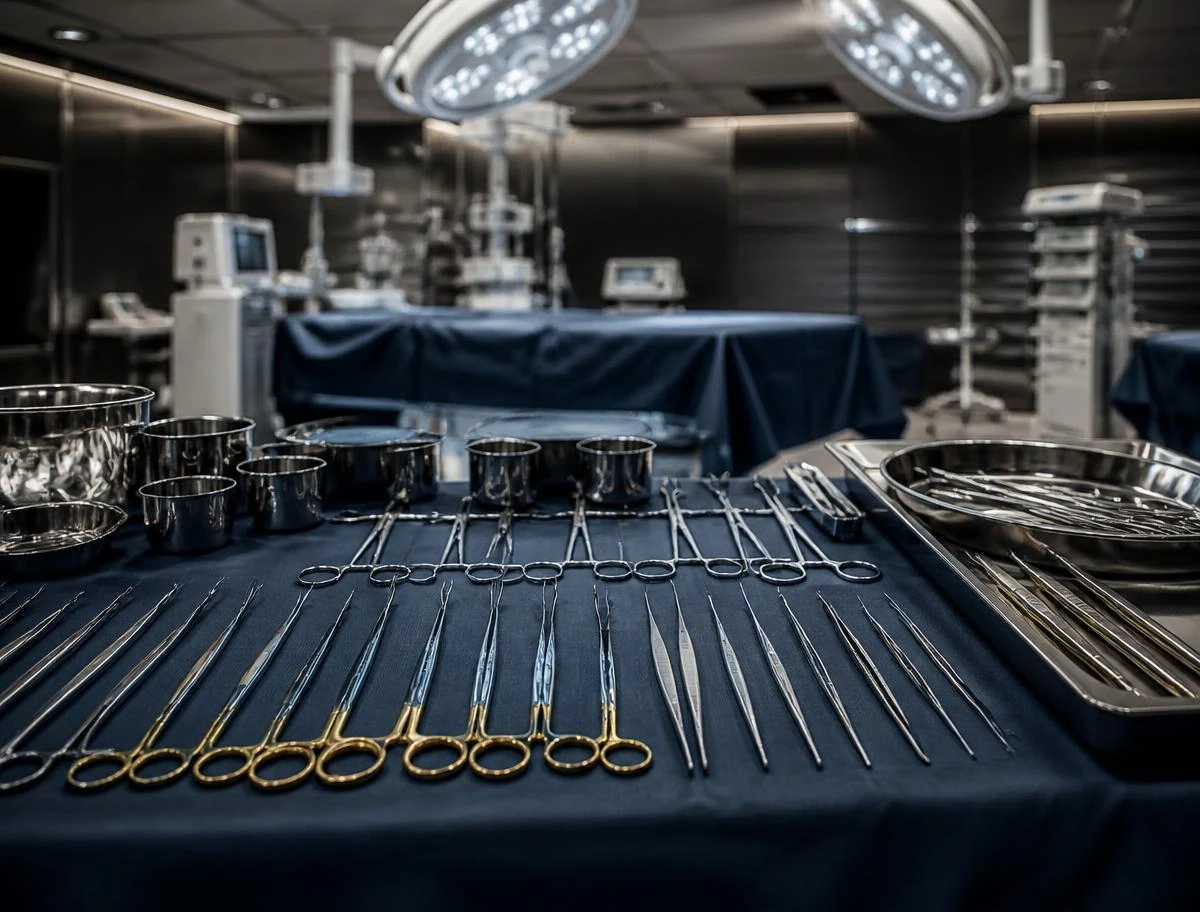
The Second Test
Capacity decides this as much as case value
Fifteen new cases in ninety days is five a month, on top of everything you already treat. If your operatories, your chairs, or your surgical days cannot absorb that, the offer will generate patients you cannot see, and a patient you cannot see this month books somewhere else next month.
The weekly version matters more than the quarterly one. Contacts arrive every day from the first fortnight, and they decide fast. You need consultation slots held open each week for the service being marketed, and a front desk that returns calls generated during business hours the same business day.
So a practice that is already booked eight weeks out for new consultations should not buy this. Not because the marketing would fail, but because the constraint is chair time, not demand. Fixing that first is cheaper than paying me to prove it.
Who I Turn Down
The exclusions, and the reason for each
DSO-owned practices
Marketing decisions sit at the group, not in the operatory. The person I would be talking to cannot sign, and the person who can sign will not hold schedule slots open for a guarantee.
Private-equity backed groups
Reporting requirements and vendor approval cycles outlast a ninety-day term. The engagement would end before the paperwork cleared.
Corporate and hospital-owned practices
Access to the practice management system, the ad accounts, and the Google Business Profile runs through committees and IT policy. Without that access on day one, the fourteen-day install is fiction.
Chiropractic
Case values are typically a few hundred dollars a visit. Fifteen new cases would not cover the fee plus the media, so the guarantee would be a bad deal for you even if I hit it.
Urgent care and emergency
Patients arrive because something just happened. Nobody researches a surgeon at two in the morning, and there is no elective decision to influence.
Primary care and general family practice
Revenue per new patient is low and largely insurance-set. A guarantee priced to survive here would cost more than the patients are worth to you.
Some older pages on this site still speak to excluded categories. They were written for a retainer-style engagement I no longer sell, and the current offers do not apply to them.
Choose Your Specialty
Same engine. Different case mix.
Dental & Orthodontics
Marketing for implant, Invisalign, and cosmetic dental practices. SEO, Google Ads, and review systems that fill the schedule with high-value cases.
Vision Care
Marketing for optometrists, LASIK surgeons, and cataract specialists. Procedure landing pages and local SEO that book consultations.
Pain & Musculoskeletal
Marketing for chiropractors, pain management, and physical therapy practices. Local SEO and Google Ads that capture high-intent patients.
Not one of these?
I run every account myself, so I turn down more work than I accept. Contact me and I will tell you plainly if it is not a fit.
Qualification Questions
Straight answers
What To Do Next
Two offers. Pick the one that fits.
If you can fund the advertising spend, the Empty Chair Offer is the one: fifteen paying patients in ninety days, with the full fee refunded if I miss. The advertising spend is paid directly to the platforms and never marked up.
If you will not commit media until something works, start with the Dormant Chair Recovery instead — sixty days, no advertising, working the patients you already own.
Both prices, both guarantees, and the exclusions are published on the pricing page, and the document you would sign is published as the agreement template.